
6 Ways to Avoid Crystalline Silica: What is Silicosis?
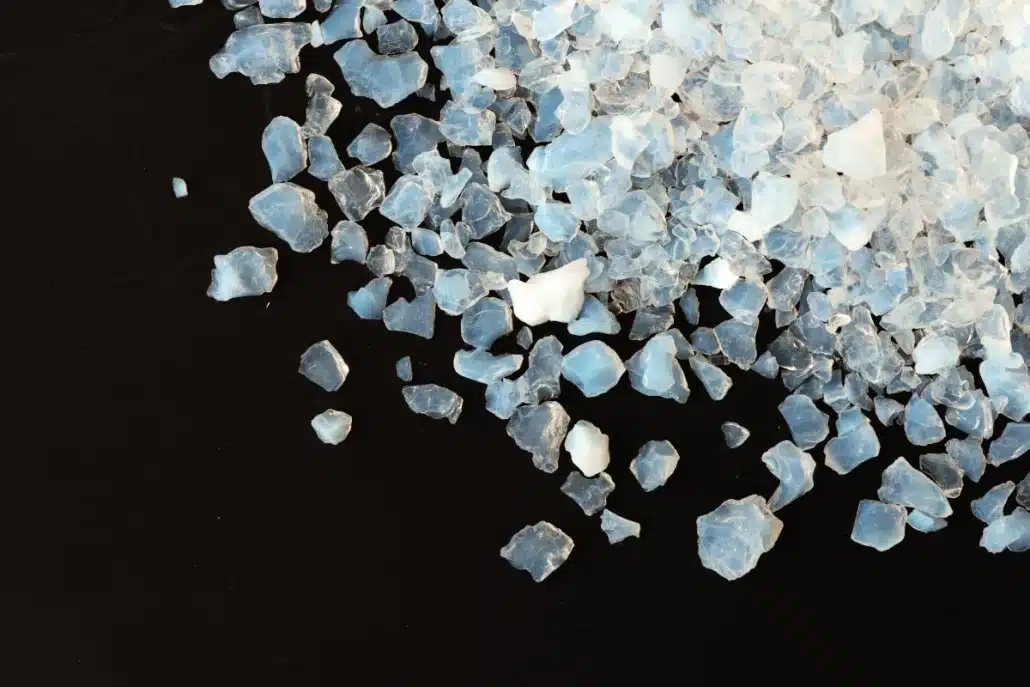
Silicosis is a disease that affects thousands of workers exposed to crystalline silica particles in their work environment, present in a wide variety of materials, such as sand, rock, and cement.
Therefore, in sectors such as mining, construction and glass manufacturing, where this material is often very common, it is essential to implement appropriate preventive measures, such as the use of personal protective equipment and training in safe practices to reduce exposure. .
Next, we explain how silica can affect us, what it is, how to prevent silicosis and what is the most common treatment in these cases.
What is crystalline silica?
Crystalline silica is a mineral composed mainly of silicon dioxide (SiO2), a very abundant mineral in the Earth's crust that can be found in various forms, such as quartz, cristobalite and tridymite.
The problem is that constant inhalation of silica dust can cause inflammation and scarring of lung tissue, leading to breathing difficulties and, in severe cases, serious complications such as pulmonary fibrosis. It also increases the risk of developing respiratory diseases such as silicosis , tuberculosis, and lung cancer.
Where is crystalline silica found?
Crystalline silica is present in numerous work environments, with mining , demolition , glass manufacturing, ceramics, and stone cutting being the most affected. In addition, common activities such as sandblasting, rock drilling, and the use of construction materials containing sand or gravel can also generate silica particles.
Therefore, it is important for companies to identify sources of exposure to crystalline silica and conduct a workplace risk assessment to implement appropriate control measures.
How to avoid silicosis?
To protect workers' health, it is essential to implement preventive measures to avoid silicosis . Among the most effective are the following:
1. Risk assessment
To identify potential sources of silica and assess worker exposure, it is advisable to conduct a thorough analysis of work operations, including reviewing work areas, processes and materials used, as well as measuring airborne silica levels.
2. Use of personal protective equipment (PPE)
Appropriate respiratory masks should be provided to workers to filter out silica particles. These must comply with safety regulations and be the correct size. Additionally, it is very important that employees understand how to use them correctly to improve their effectiveness.
3. Exposure control
Implementing measures such as adequate ventilation systems and dust extraction helps to improve air quality in the work environment, reducing the concentration of silica in the air and, therefore, the risks of inhalation of harmful particles.
4. Professional development
It is essential to train workers on the risks related to silica exposure, including information on best prevention practices and the proper use of protective equipment, raising awareness about the importance of workplace safety.
5. Medical follow-up
Conducting regular medical checkups can detect any early signs of respiratory illness among exposed workers. In this way, it will be possible to intervene in time to protect the health of employees.
6. Substitution of materials
Wherever possible, alternatives to materials containing crystalline silica should be sought, both to reduce risk exposure and to improve overall workplace safety.
Products that help prevent silicosis
There are different products designed to help prevent silicosis in work environments:
- Air filters: ventilation systems equipped with HEPA filters that are highly effective at capturing airborne silica dust particles, significantly improving workplace air quality and reducing worker exposure.
- Respiratory protective equipment: masks and respirators that meet specific standards, designed to filter out silica particles and other contaminants.
- Dust extraction systems (suction): equipment that collects dust where it is generated, preventing it from dispersing into the air and becoming a risk to the health of employees.
- Dust mitigation or suppression systems: nebulizing equipment, such as water cannons, that disperse a mist of microdroplets that trap dangerous particles and make them fall to the ground, thus eliminating those suspended particles that are easy to inhale.
Other diseases from breathing dust
In addition to silicosis, exposure to other types of dust in the workplace can lead to other respiratory illnesses:
- asbestosis: disease caused by inhalation of asbestos fibers, which can cause pulmonary fibrosis.
- Pulmonary fibrosis: It affects the lungs by causing scarring of the tissue, making it difficult to breathe.
- Chronic obstructive diseases: such as COPD, which are related to prolonged exposure to airborne pollutants.
Protect your health with specialized technology from Anzeve
As you can see, by taking the proper measures and using prevention products, we can significantly reduce the risk of exposure to crystalline silica.
At Anzeve, our top priority is protecting the health and safety of your workers, so we offer specialized equipment designed to reduce these risks: exposure to silica dust and promote a safer working environment.
Additionally, we provide training and technical support to ensure best usage practices are implemented. Trust Anzeve to enjoy a safer work environment!
22/08/2024

